How to Choose an Automatic Cat Litter Box: Safety, Odor, Space, and Maintenance
Automatic cat litter boxes have evolved from niche gadgets into practical household appliances for many cat owners. Their primary appeal is simple: they reduce the amount of manual scooping required while helping maintain a consistently clean litter bed throughout the day. For busy households, multi-cat homes, or owners who simply want to spend less time cleaning, an automatic system can make litter box maintenance significantly more manageable.
That said, choosing an automatic cat litter box isn’t as straightforward as comparing prices or selecting the model with the longest list of features. The best unit for your home depends on several factors, including safety mechanisms, odor control, available space, cleaning requirements, and long-term reliability. A product that performs well for one household may not necessarily be the right fit for another.
This guide explains the features that deserve the closest attention before making a purchase. Rather than focusing solely on specifications, it looks at how these features affect everyday use and what they mean for both you and your cat over the long term.
Safety Should Always Be Your First Consideration
Safety is arguably the most important factor when evaluating any automatic cat litter box. Unlike a traditional litter tray, these systems contain moving components that begin cleaning automatically after a cat has finished using them. While modern designs are considerably more advanced than earlier generations, reliable safety systems remain essential. Most reputable automatic litter boxes now incorporate multiple layers of protection rather than relying on a single detection method. Infrared sensors can monitor movement around the entrance and inside the litter area, while additional occupancy or weight sensors help determine whether a cat is still using the box. If movement is detected during a cleaning cycle, the mechanism should immediately stop and resume only after the area is clear.
Another feature worth looking for is a delayed cleaning cycle. Instead of activating immediately after a cat exits, many models wait several minutes before beginning the cleaning process. This delay serves two purposes: it gives litter enough time to form firm clumps for easier removal while also ensuring the cat has completely left the area. For kittens, elderly cats, pregnant or nursing cats, or pets adjusting to an automatic system for the first time, manual cleaning modes can provide additional reassurance. Being able to control when the cleaning cycle starts allows owners to supervise the transition while helping their cats become familiar with the new environment.
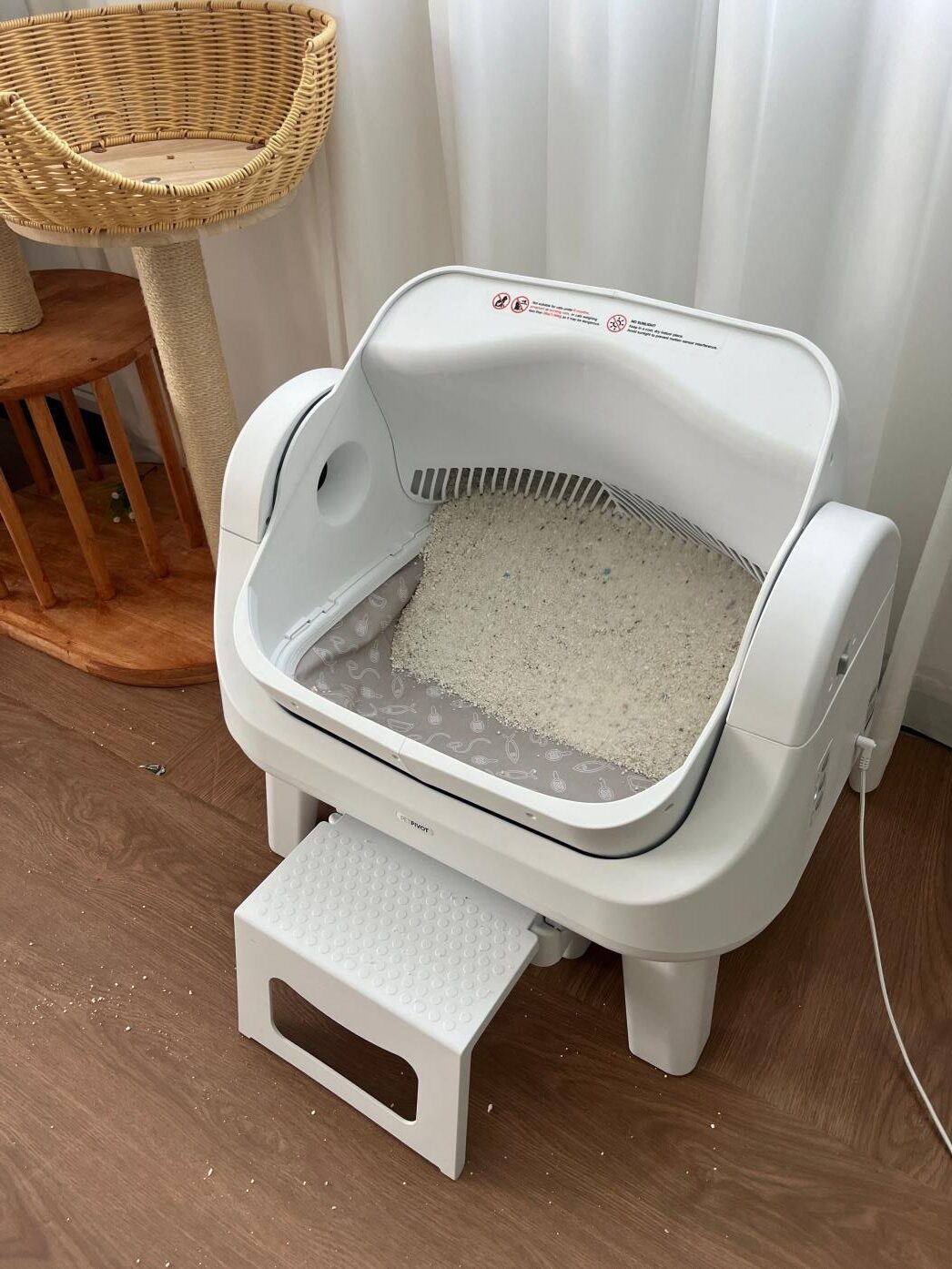
Among newer self cleaning models, the PetPivot AutoScooper 12 Lite incorporates layered infrared safety sensors together with an automatic pause function that stops cleaning whenever a cat approaches or enters the litter area. Features like these have become increasingly important because they prioritize the cat’s safety without requiring constant supervision from the owner.
Odor Control Depends on More Than Automatic Cleaning
Reducing unpleasant litter box odors is one of the main reasons people invest in an automatic cat litter box. However, automatic waste removal alone doesn’t guarantee an odor-free home. Effective odor management depends on how the entire system is designed. Once waste is removed from the litter bed, it should ideally be transferred into a sealed storage compartment rather than remaining exposed inside the main chamber. Enclosed waste containers help isolate odors between emptying sessions and reduce the amount of smell that escapes into surrounding rooms. Tight-fitting lids, enclosed waste drawers, and disposable liners can all contribute to better odor control over time. The cleaning process itself also plays an important role. Many automatic litter boxes use a short delay after each visit so the litter has enough time to clump properly before waste is separated. Better clumping generally results in cleaner litter remaining behind, which not only improves hygiene but also minimizes lingering odors caused by broken clumps or residual waste. Even with an efficient self-cleaning system, routine maintenance remains important. Emptying the waste compartment regularly, replacing litter when needed, and cleaning the interior surfaces according to the manufacturer’s recommendations all help preserve odor control over the long term.
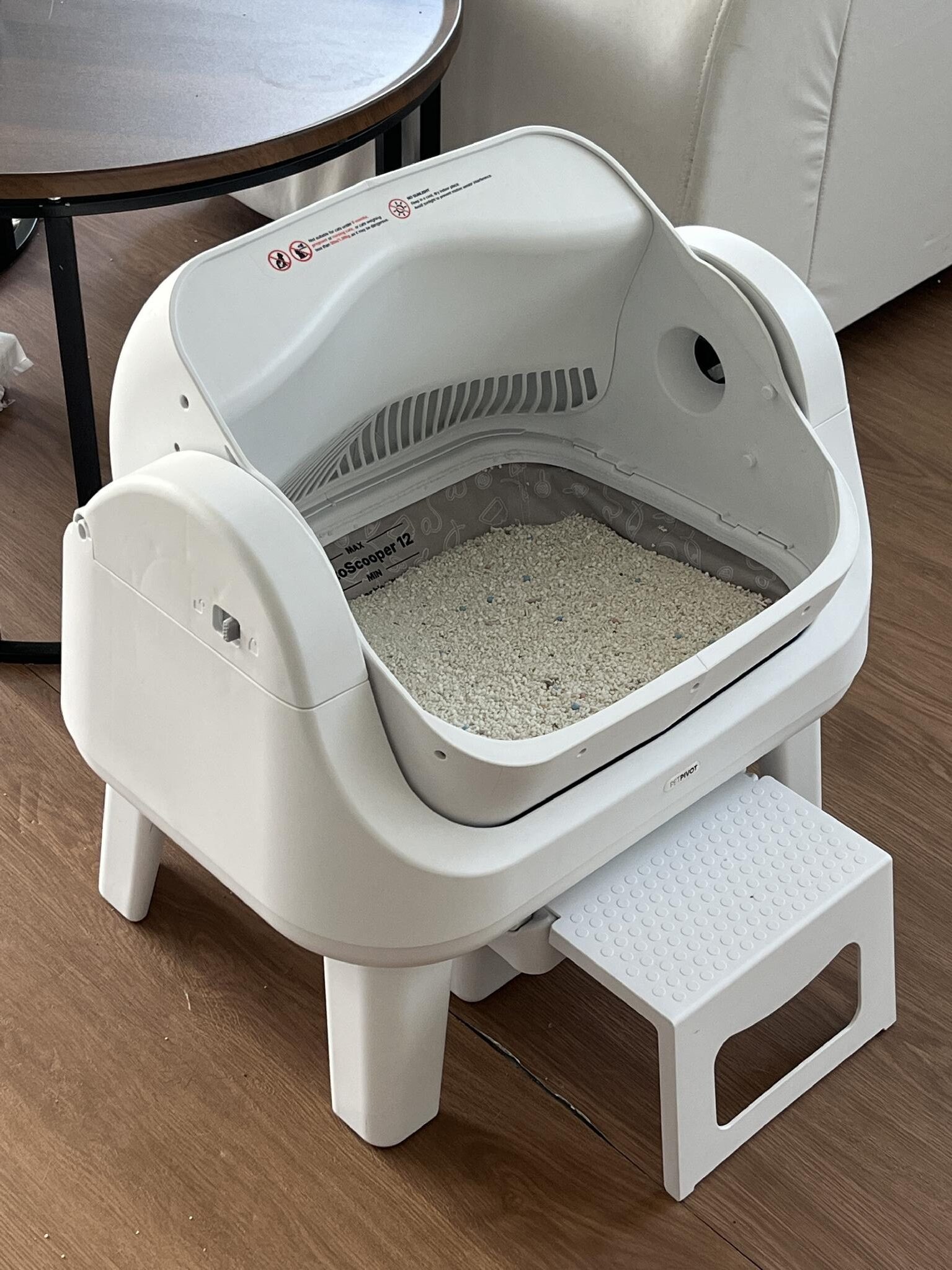
The PetPivot AutoScooper 12 Lite follows this approach by transferring waste into an enclosed storage compartment after every automatic cleaning cycle. Rather than leaving waste exposed inside the litter chamber, the sealed compartment is designed to help contain odors until the waste bag is ready to be replaced.
Choosing the Right Size for Your Cat and Your Home
Size is often overlooked during the buying process, yet it has a significant impact on both your cat’s comfort and the practicality of installing an automatic litter box at home. Many buyers focus only on the amount of floor space available, but the internal dimensions of the litter box are equally important. Cats should be able to enter comfortably, turn around without restriction, dig naturally, and leave the box without feeling confined. Larger breeds, in particular, benefit from litter boxes that provide generous interior space rather than compact chambers designed primarily to save room.
The location where the litter box will be placed also deserves careful consideration. Bathrooms, laundry rooms, utility areas, and spare corners all offer different amounts of available space, and it’s worth measuring these areas before making a purchase. Remember to account not only for the footprint of the unit itself but also for any clearance required to remove waste drawers, refill litter, or perform routine maintenance. Open-top designs may also be worth considering for cats that dislike enclosed spaces. Because they provide greater visibility and easier access, some cats adapt more readily to these designs than to fully enclosed rotating systems.
The AutoScooper 12 Lite uses an open-top layout intended to provide a spacious interior while maintaining a relatively compact footprint. This balance makes it suitable for a variety of living environments, from apartments to larger homes, without making the litter area feel overly enclosed for the cat.
Consider Your Household’s Daily Routine
The right automatic cat litter box should fit naturally into your lifestyle rather than requiring you to constantly adjust your routine around it.
For single-cat households, waste capacity may not be a major concern because the storage compartment fills relatively slowly. In homes with two or more cats, however, choosing a model with sufficient waste capacity becomes much more important. Frequent use means more cleaning cycles and faster waste accumulation, so a larger enclosed waste compartment can significantly reduce how often owners need to empty the unit. Cleaning frequency is another factor to evaluate. Ideally, the litter box should remove waste automatically after each visit so that every cat encounters a clean litter bed throughout the day. This consistent cleanliness is often one of the biggest advantages of switching from a traditional litter tray to an automatic system, particularly in households where multiple cats share the same box.
Many manufacturers also estimate how long their waste compartments can last before requiring emptying. While actual performance varies depending on the number of cats and their litter habits, these estimates provide a useful reference point when comparing different models. The PetPivot AutoScooper 12 Lite is designed to accommodate both single-cat and multi-cat households by combining automatic waste removal with an enclosed storage compartment capable of supporting several days of normal use before requiring disposal. This approach helps reduce routine maintenance while maintaining a consistently clean litter surface for everyday use.
Maintenance Should Be Simple, Not Time-Consuming
An automatic litter box should reduce your daily workload, not replace one set of chores with another. While these systems eliminate the need for frequent scooping, they still require routine maintenance to operate efficiently and maintain a hygienic environment for your cat.
Look beyond the cleaning cycle itself and consider how easy the entire maintenance process will be over months or even years of ownership. Waste drawers should be straightforward to remove and reinstall without creating unnecessary mess, while smooth interior surfaces are generally easier to wipe clean during scheduled deep cleaning. Disposable liners can also simplify waste disposal by allowing owners to remove the contents without direct contact. Most manufacturers recommend emptying the waste container every five to seven days, depending on the number of cats in the household. A more thorough cleaning of the waste drawer every couple of weeks, along with a complete litter replacement and wipe-down of the interior chamber once a month, helps maintain performance while extending the life of the unit.
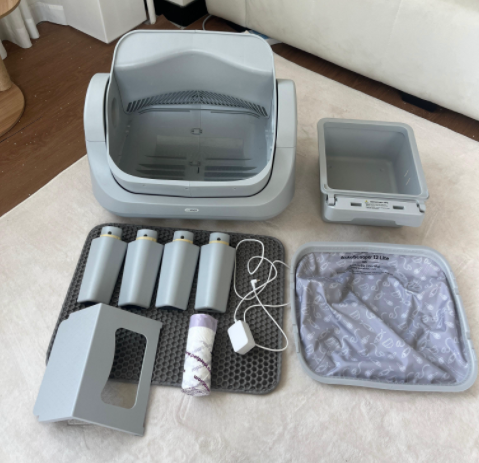
The PetPivot AutoScooper 12 Lite is designed with this routine in mind. Its enclosed waste compartment and removable liner system aim to simplify regular maintenance while keeping the cleaning process relatively quick for everyday users.
Build Quality Often Determines Long-Term Reliability
An automatic cat litter box is a mechanical appliance that may operate several times every day. Unlike a traditional litter tray, it contains motors, sensors, moving components, and electronic controls that experience repeated use over many years. As a result, build quality becomes just as important as the feature list. A sturdy frame helps minimize vibration during operation, while durable internal components are more likely to withstand continuous cleaning cycles. High-quality plastics are also easier to sanitize because they resist staining and absorb fewer odors over time.
It’s equally worthwhile to consider how easily replacement parts or consumables can be obtained. Waste liners, accessories, and customer support are often overlooked until they’re needed, but they contribute significantly to the ownership experience. A comprehensive warranty can also provide additional confidence that the manufacturer stands behind its product. Rather than focusing solely on the initial purchase price, prospective buyers should consider the total value offered over the expected lifespan of the unit.
Convenience Features Can Improve Everyday Use
Many automatic litter boxes now include additional features designed to make ownership more convenient. While not every household needs advanced connectivity or smartphone integration, certain practical design elements can noticeably improve day-to-day use.
For example, one-touch operation allows owners to start a cleaning cycle manually whenever needed, while quiet motors reduce disruption in homes where the litter box is located near bedrooms or living spaces. Some models also incorporate open-top designs, making the litter box feel less enclosed and potentially easier for many cats to adapt to than fully enclosed rotating systems. Another consideration is waste capacity. Larger waste compartments reduce the frequency of emptying, which can be particularly helpful for households with multiple cats or owners who spend extended periods away from home. Although manufacturers may advertise several days or even weeks of hands-free operation, actual performance will always depend on the number of cats, their litter habits, and routine maintenance.
The AutoScooper 12 Lite combines several of these practical features, including an open-top design, quiet automatic cleaning, and a sealed waste compartment intended to reduce daily maintenance without adding unnecessary complexity.
Choosing the Right Automatic Cat Litter Box for Your Home
There is no single automatic cat litter box that suits every household. The ideal choice depends on your available space, the number of cats you own, your preferred maintenance routine, and the features that matter most to you. For first-time buyers, safety should remain the highest priority. Reliable sensors, delayed cleaning cycles, and manual operation options provide reassurance while helping cats adjust comfortably to an automated system. Once those fundamentals are covered, odor control, waste capacity, compatibility with your preferred litter, and ease of cleaning become the factors that most directly influence long-term satisfaction. Budget is naturally another consideration, but choosing the least expensive model isn’t always the most economical decision. A well-built litter box with dependable sensors, durable components, and straightforward maintenance may offer better value over time than a cheaper alternative that requires more frequent replacement or repairs.
For households seeking a balance between affordability and essential features, the PetPivot AutoScooper 12 Lite offers many of the characteristics buyers typically look for, including layered safety sensors, automatic waste removal, enclosed odor control, quiet operation, and a straightforward maintenance routine. Rather than focusing on premium extras such as app connectivity, it emphasizes the core functions that matter most for everyday use.
Frequently Asked Questions
What type of litter works best with an automatic cat litter box?
Most automatic litter boxes are designed for clumping clay or bentonite litter with relatively small granules. Non-clumping litter, silica crystals, tofu litter, or wood pellets may not separate properly during the cleaning cycle unless the manufacturer specifically states they are compatible.
How often does an automatic litter box need to be emptied?
The waste compartment typically requires emptying every five to seven days for one cat, although households with multiple cats may need to empty it more frequently. Regular deep cleaning is also recommended to maintain hygiene and optimal performance.
Are automatic litter boxes suitable for multiple cats?
Many models are designed to accommodate multi-cat households, provided they have sufficient waste capacity and reliable automatic cleaning after each use. Checking the manufacturer’s recommendations for the maximum number of cats is always advisable.
Is an automatic litter box difficult for cats to learn?
Most cats adapt within several days when introduced gradually. Leaving the unit turned off initially, allowing the cat to become familiar with it, and activating automatic cleaning only after the cat is comfortable can help ease the transition.
Do automatic litter boxes eliminate all maintenance?
No. Although they significantly reduce daily scooping, owners still need to empty the waste compartment, replenish litter, and clean the unit regularly to ensure reliable operation and maintain a hygienic environment.
Final Thoughts
Choosing the right automatic cat litter box involves much more than comparing prices or feature lists. Safety, odor control, maintenance requirements, interior space, and overall build quality all influence how well a unit performs over time and how comfortably your cat adapts to it.
Taking the time to evaluate these factors before making a purchase can help you find a system that not only simplifies litter box maintenance but also provides a consistently clean and comfortable environment for your cat. For owners looking for an option that prioritizes practical everyday features over unnecessary complexity, the PetPivot AutoScooper 12 Lite is worth considering as part of the decision-making process.
To compare capacity, features, and household fit before buying, explore automatic cat litter box options from PetPivot.